

As a post-menopausal woman, you might be navigating changes like shifting energy levels, a bit more weight around the middle, and worries about keeping your bones strong while managing your overall health. It's completely normal to feel this way—menopause brings a lot of shifts, but you're taking a smart step by focusing on a balanced, lower-carb eating plan.
Think of carbs as fuel for quick energy, but too many can sometimes tip the scales toward unwanted fat storage and heart concerns, especially now. Aiming for 25-40% of your daily calories from carbs (about 125-200 grams on a 2,000-calorie day) leaves more room for protein and healthy fats, which can help steady your blood sugar, support your bones, and keep your heart happier. Protein is like the sturdy scaffolding for your bones, helping rebuild and protect them during this time when estrogen dips and bones can become more vulnerable.
In this post, we'll explore why protein matters, how to choose sources that fit a lower-carb lifestyle, and simple ways to track it all. You've got the power to make these changes feel easy and empowering—one meal at a time.
Why Protein is Key for Healthy Bones in Menopause
Your bones are like a living foundation, constantly renewing themselves to keep you steady and active. After menopause, lower estrogen can slow this renewal, making bones thinner and less strong. Protein steps in as a hero here, supplying the building blocks (called amino acids) to create collagen—the flexible inner structure that makes bones tough yet bendy, like the springs in a mattress.
Getting enough protein helps maintain bone density & reduce fragility, reducing the risk of osteoporosis, so you can keep enjoying walks, hugs with grandkids, or whatever lights you up. Research shows that post-menopausal women who prioritize protein in their meals have stronger bones and fewer fractures. And when you pair it with a lower-carb approach, it helps control weight gain around the waist, which indirectly supports bone health by easing stress on your joints. The best part? This isn't about strict rules—it's about nourishing your body to feel resilient and full of life.
Animal vs. Plant-Based Proteins: Fitting Them into a Lower-Carb Plan
Proteins from food are your go-to for bone support, and both animal and plant sources work well, especially when you keep carbs in check. The differences come down to how much protein you get per serving (quantity) and how easily your body uses it (quality, based on a full set of those amino acid building blocks).
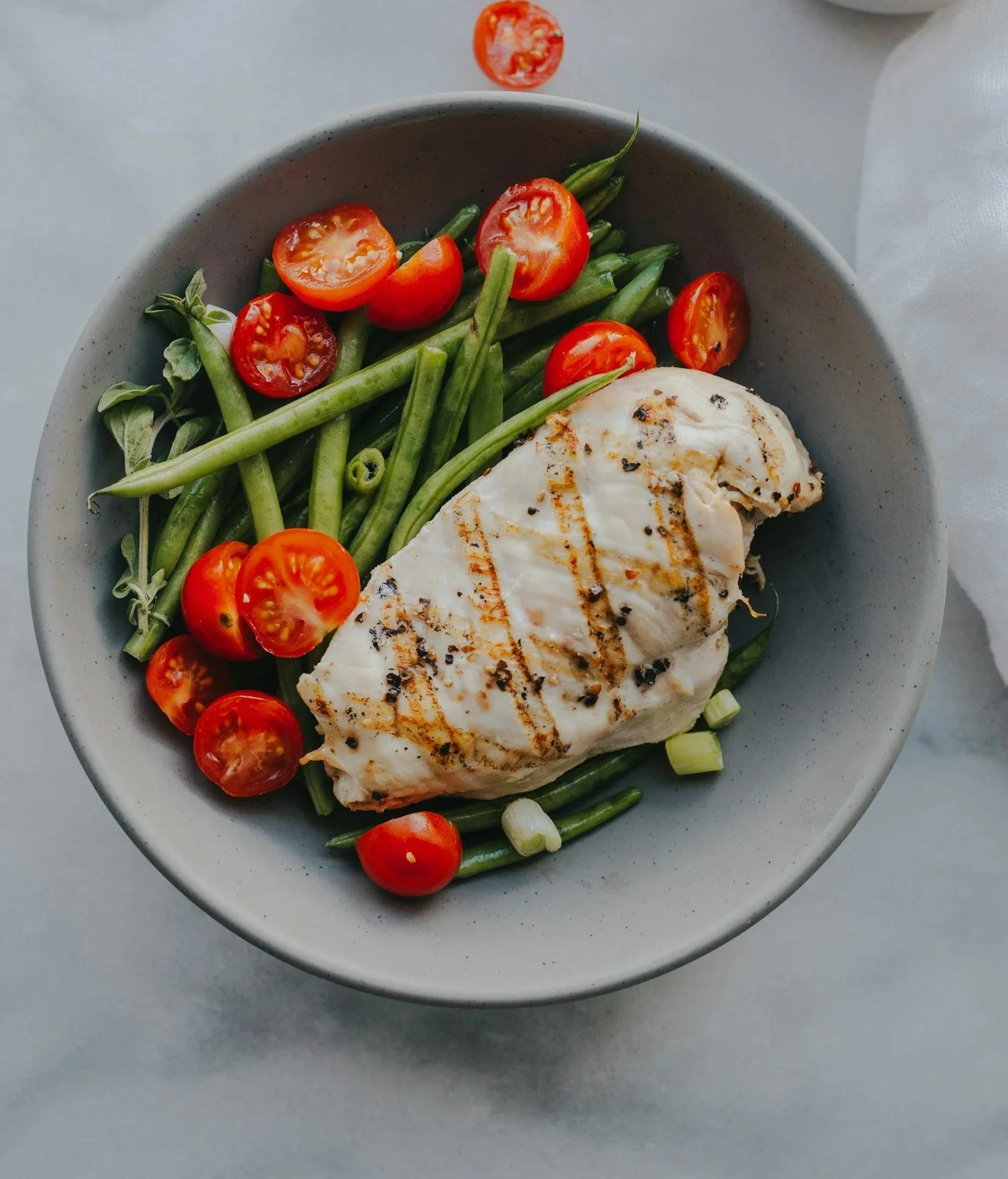
Animal-sourced proteins are often complete, with all the essential amino acids ready to go, making them top-notch for healthy bone metabolism. Animal-sourced proteins are frequently referred to as “concentrated proteins” meaning that it provides the full complement of essential amino acids. They're low in carbs, so they fit perfectly into your 25-40% carb goal—like a direct path to strength without extra detours. Think lean meats or eggs, which also add bonuses like vitamin B12 for steady energy. If dairy agrees with you, it's a low-carb winner too!
When choosing animal sources of protein, its imperative to avoid the animal products from Concentrated Animal Feeding Operations (CAFOs) or feedlots. These systems prioritize speed, high production volume, and low costs over animal welfare, environmental health, and the nutritional quality of the meat. Supporting farmers and ranchers who use regenerative and sustainable practices will provide you with a source of protein that has been humanely treated, fed quality food or allowed to free-range/forage, and had minimal exposure to drugs in the form of antibiotics and hormones…all of which provides us with quality meat, poultry, fish & dairy.
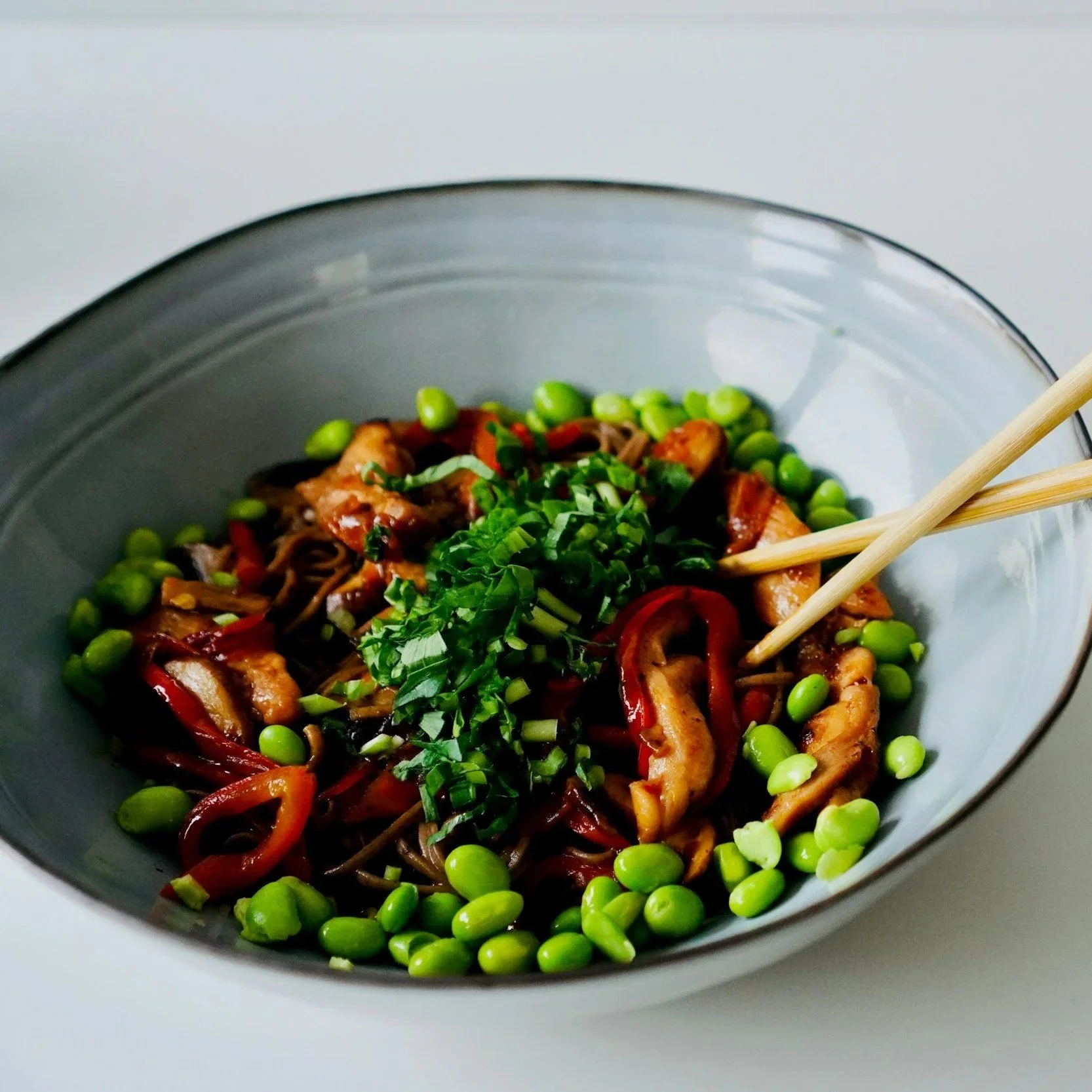
Plant-based proteins shine for variety and fiber, helping with digestion and fullness on fewer carbs. They might need pairing (like nuts with seeds or grain with beans) for full quality, but many are naturally low-carb, like tofu or nuts. They bring heart-friendly perks, like reducing inflammation, which ties into better lipid balance during menopause. Depending on your plant based choices, you may need larger portions of these protein combos, a fact that is frequently overlooked.
A mix of both keeps things interesting and balanced. In a lower-carb world, focus on these to avoid carb-heavy fillers like grains or sugary sauces. This way, you're fueling bones while keeping your energy even and your waistline in check.
The Link Between Carbs, Lipids, and Your Health After Menopause
As we move through menopause, our bodies handle carbs differently—estrogen's decline can make it easier for extra carbs to turn into fats, especially around the belly, raising risks for heart issues. Studies on post-menopausal women show that higher carb intake, particularly from refined sources like white bread or sweets, often leads to elevated lipid levels: think higher triglycerides (a type of blood fat) and LDL cholesterol (the "bad" kind that clogs arteries), while sometimes lowering helpful HDL (the "good" one). This happens because excess carbs can spike insulin, promoting fat storage and inflammation, which worsens the lipid profile already shifting in menopause.
Why does this matter for you? Elevated lipids increase heart disease risk, and since menopause amps up that vulnerability, dialing carbs to 25-40% helps stabilize these levels—like calming a stormy sea for smoother sailing. Lower-carb eating encourages your body to burn fats for fuel instead, often improving cholesterol balance and reducing inflammation. It's reassuring: small tweaks, like swapping starchy sides for veggies, can make a real difference without feeling deprived.
Current Recommendations for Protein Intake on a Lower-Carb Plan
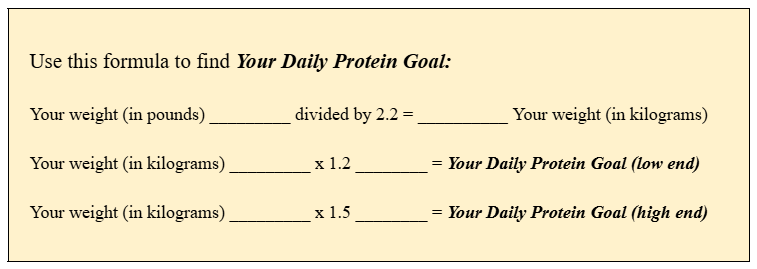
For post-menopausal women focused on bone health, aim for 1.2 to 1.5 grams of protein per kilogram of body weight daily—that's about 72-90 grams for a 130 pound woman or 81–102 grams for a 150 pound woman (see calculation formula below). Why this sweet spot? It supports collagen for bones without overwhelming your system, and in a lower-carb setup, it helps preserve muscle and keep blood sugar steady.
Spread it across meals: 20-30 grams each time maximizes absorption, like filling your tank evenly for a long drive. With carbs capped at 25-40%, fill the rest with proteins and healthy fats (like avocados or olive oil) for satiety. If you're active with walks or weights, lean toward the higher end. Start simple and check with your doctor to personalize—especially if kidneys are a concern. The good news? This plan can feel sustainable & boost your confidence in every strong step you take.
How to Track Your Protein: Low-Carb Sources to Try
Tracking your protein intake initially, and then periodically, can help you determine how close to your target you’re getting and whether or not you need to make any changes.
You can keep a notebook handy to jot down your daily intake using the list below or there are plenty of apps, like Cronometer, to help you track your protein goal while staying under carb limits. Ideally, you want to focus on whole foods. Aim to pair proteins with non-starchy veggies (like leafy greens or broccoli) for volume without carb creep. Over time, this builds habits that protect bones and balance lipids.
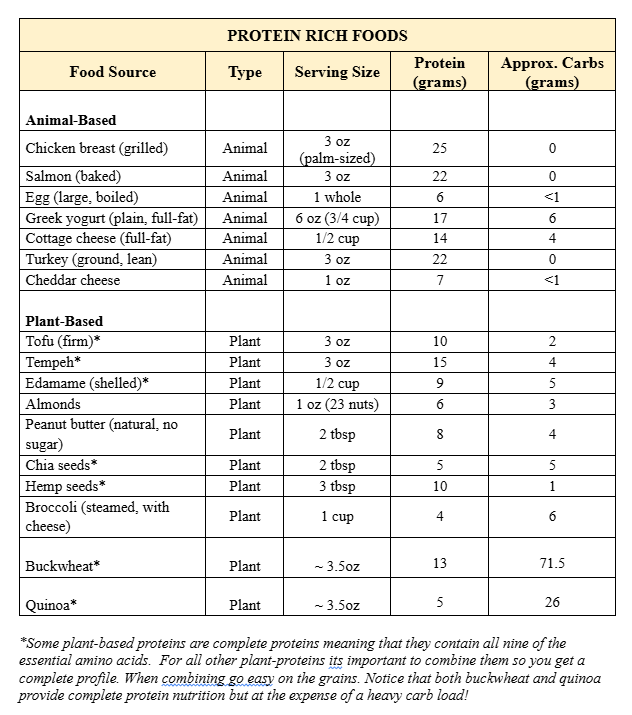
Here's a table of protein-rich foods that keep carbs low. Servings are everyday sizes, emphasizing options under 10g carbs per serving.
Quick Tips to Get Started on Your Lower-Carb Protein Plan
Breakfast boost: Eggs with spinach and cheese—20g protein, minimal carbs
Snack smart: A handful of almonds or cheese sticks for steady energy without carb crashes.
Dinner focus: Grilled salmon with broccoli—bone-loving protein that keeps lipids in line.
Watch portions: Fill half your plate with low-carb veggies to stay full and balanced.
You're building a foundation for vibrant health, one empowering choice at a time. You've got this—strong bones, steady heart, and all the joy ahead!
References
Cohen, C., Fontaine, K., & al., R. A. E. (2020). A ketogenic diet is acceptable in women with ovarian and endometrial cancer and has no adverse effects on blood lipids: a randomized, controlled trial.
Karimi, E., Yarizadeh, H., & al., L. S. E. (2021). High carbohydrate intakes may predict more inflammatory status than high fat intakes in pre-menopause women with overweight or obesity: a cross-sectional study.
Prentice, R., Pettinger, M., & al., M. N. E. (2021). Biomarker-calibrated macronutrient intake and chronic disease risk among postmenopausal women.
Ko, S. & Kim, H. (2020). Menopause-associated lipid metabolic disorders and foods beneficial for postmenopausal women.
Meng, H., Matthan, N., & al., S. F. E. (2018). Effect of dietary carbohydrate type on serum cardiometabolic risk indicators and adipose tissue inflammatory markers.